Keeping Up with the Steins: A Modern Take on Tradition

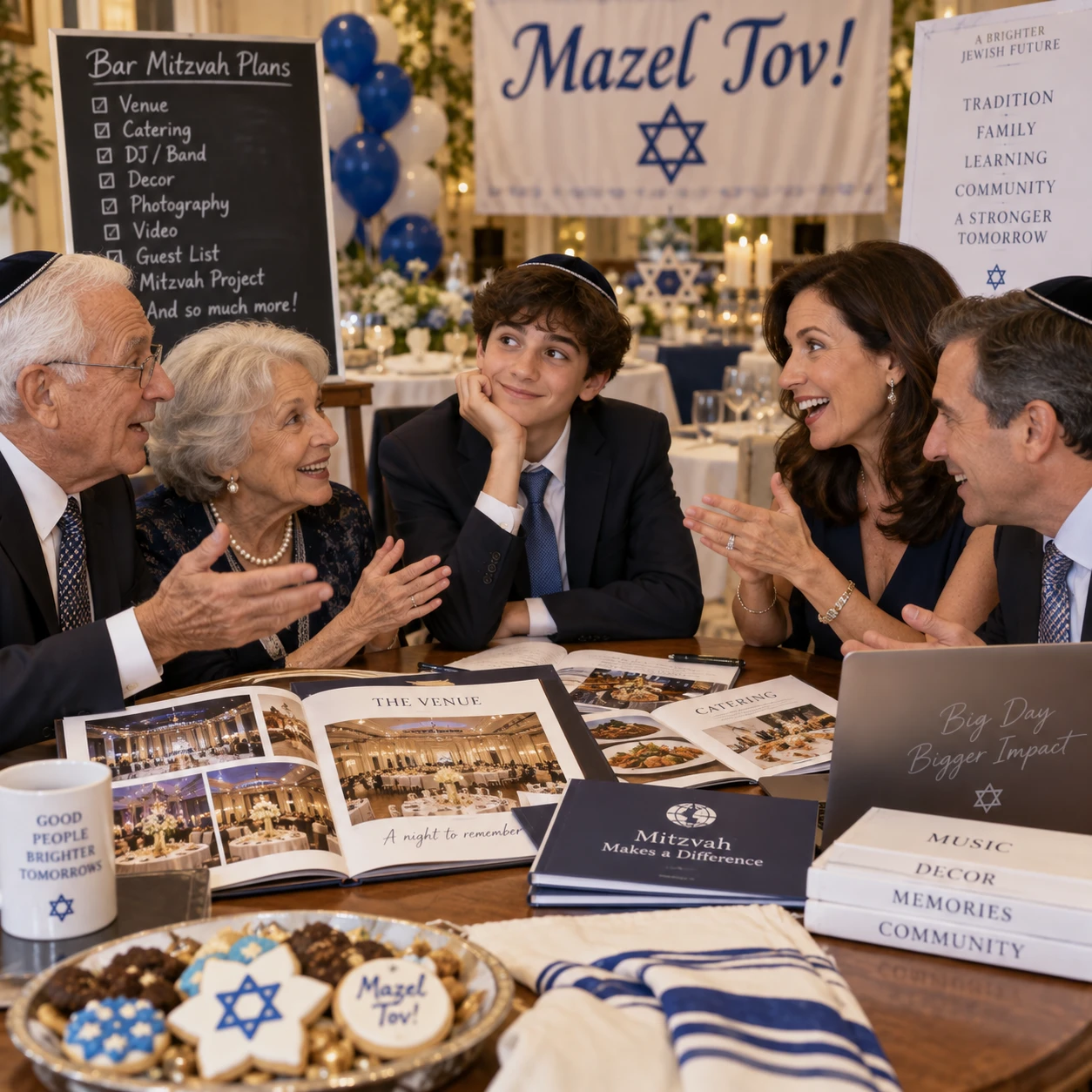
Keeping Up with the Steins turns a bar mitzvah into the pressure point for a family comedy about heritage, status, and the expectations relatives place on one another. Its central question is familiar well beyond the specific setting: when a family tries to honor tradition, who gets to decide what that should look like?
Rather than treating Jewish tradition as a joke in itself, the film finds comedy in the people surrounding the ritual: their pride, anxieties, rivalries, and occasionally extravagant ideas. The result is a story about cultural heritage and modern identity that remains focused on family relationships, even when its characters make a modest celebration feel like a major production.
The Film’s Premise and Family Gathering
Keeping Up with the Steins uses a bar mitzvah to bring an extended family together, where old tensions and competing expectations quickly surface. The event gives the characters a shared deadline and a reason to debate what the celebration should mean.
At the center are the Steins, a family negotiating the gap between the ceremony’s religious and cultural significance and the social performance that can grow around a milestone. Parents want the occasion to go well; older relatives bring their own memories and standards; and the younger generation has to live inside plans made largely by adults. The film’s family gathering is both a celebration and a stage on which everyone tries to show what kind of family they are.
This setup gives the comedy a useful focus. A bar mitzvah involves preparation, guests, rituals, and public attention, so even small disagreements can feel consequential. Who gets heard? What counts as a meaningful tribute? How much should the family spend, and for whose approval? The film uses these questions to introduce its themes without requiring the viewer to know every custom in advance.
The story’s appeal rests less on surprise than recognition. Many viewers will recognize the way one family event gathers people who love one another but rarely agree on how that love should be expressed. The celebration makes those differences visible.
Tradition at the Center of the Comedy
The bar mitzvah gives the film its cultural and emotional center: it marks a significant Jewish rite of passage while also creating room for comic disagreements about how to celebrate. The humor works best when it targets family behavior and social pressure, rather than treating Jewish tradition itself as the punchline.
A rite can carry several meanings at once. For the young person at its center, it may be a personal milestone; for parents, a marker of responsibility; for grandparents, a link to their own upbringing and continuity. Meanwhile, relatives can become caught up in the party’s visible details. That tension between meaning and presentation supplies much of the movie’s comic material.
The film is most engaging when it lets the custom remain more than a backdrop. A bar mitzvah is not simply an excuse for a crowded celebration: it connects a young person to community and cultural heritage. At the same time, the story’s characters are allowed to approach that connection differently. Their disagreement does not automatically make one person sincere and another shallow. People can care about a tradition while disagreeing about how to observe it.
That distinction matters in a family comedy about Jewish life. The movie offers a particular family’s perspective, not a documentary account or a definitive guide to Jewish practice. Its rituals and conflicts are part of this story’s setting; they should not be taken as a universal picture of Jewish families.
Generational Differences and Changing Expectations
Generational conflict drives the film because family members attach different meanings to identity, ritual, and social approval. Older relatives tend to look toward continuity, while parents and younger people face the practical question of how much of inherited tradition fits their lives now.
These differences are not presented as a simple contest between traditional elders and modern children. Each generation has something at stake. Older family members may fear that a familiar practice will lose its place; parents may feel pressure to satisfy relatives while managing the event; the young person may want a voice in a celebration that is supposed to mark their own milestone. The same ceremony can feel like belonging to one person and obligation to another.
The film also connects family expectations with social pressure. A celebration can become a public display, inviting comparisons between what one family does and what another can afford or organize. In that environment, a choice about music, guests, or presentation can take on meaning well beyond its practical importance. The characters may be arguing about party details, but they are often negotiating recognition and control.
For modern identity, that negotiation is the point. Belonging does not always require adopting every custom in exactly the same way as an earlier generation. Yet change can feel unsettling when relatives hear it as rejection. The film’s most relatable insight is that families often need to discuss what a tradition means before they can agree on how to carry it forward.
Humor, Conflict, and Family Dynamics
The comedy comes from the mismatch between a meaningful family occasion and the big personalities trying to manage it. Exaggerated plans, old resentments, and competing ideas of what makes a proper celebration create friction, while affection keeps the conflicts from becoming purely hostile.
Much of the humor follows a recognizable pattern: someone treats a small decision as a test of family loyalty, and everyone else responds as if the stakes have risen. The joke is not merely that relatives disagree. It is that they can turn a guest list or a party plan into evidence about who respects whom. That escalation makes the film’s family relationships both comic and emotionally legible.
The story also benefits from the contrast between what adults intend and what younger family members experience. Parents may believe they are creating a meaningful occasion, while the person being celebrated feels watched, managed, or overshadowed. This gap provides a steady source of comic tension, but it also gives the premise a human center.
Still, a family comedy has to simplify. Some conflicts resolve more neatly than real family disputes, and a colorful relative can sometimes become a familiar comic type. The film is strongest when the characters’ eccentricities sit alongside recognizable motives: wanting to be respected, fearing change, or hoping that a child will feel connected to the family.
What the Film Says About Modern Family Life
The film suggests that modern family life involves constant negotiation between inherited customs and individual choice. A family can preserve cultural heritage while adapting its practices, but doing so often requires relatives to listen to one another rather than assume everyone shares the same priorities.
That idea reaches beyond the bar mitzvah setting. Families gather around weddings, holidays, birthdays, and other milestones, then discover that the event carries different meanings for each person. One relative sees continuity; another sees an obligation; someone else simply wants the day to feel like their own. The Steins’ celebration makes those competing interpretations visible without pretending that one conversation can erase every disagreement.
The film’s more generous view of belonging is that it can survive imperfect agreement. A younger family member does not need to have the same relationship to tradition as a grandparent for the connection to matter. Likewise, elders can value continuity without controlling every detail. The challenge is to make room for change while still explaining what a ritual means and why it matters to the people who cherish it.
That is where the movie finds its emotional premise beneath the party comedy. Family expectations can feel restrictive, but they often grow from a desire to pass on love, memory, and a sense of community. The film invites viewers to notice both sides: the care underneath the pressure and the need for the next generation to shape its own experience.
Strengths and Limits of Its Approach
Keeping Up with the Steins is most successful as a family comedy about the collision of tradition, status, and generational expectations. Its bar mitzvah setting gives the conflict a clear purpose, though the film’s broad comic approach sometimes smooths over the complexity of those themes.
A key strength is the premise’s specificity. The milestone gives the family a concrete reason to gather, and the event’s significance makes disagreements feel more charged than ordinary party planning. The movie can move from social comedy to questions of identity and belonging without abandoning its accessible tone. Viewers looking for a warm family comedy about clashing priorities will find a clear through-line.
The limitation is that broad comedy can flatten what it wants to explore. When a character is defined mainly by extravagant behavior or stubbornness, the film risks making a genuine disagreement seem like a gag. Its treatment of Jewish tradition is also necessarily selective: one movie, centered on one fictional family, cannot represent the range of Jewish practice or experience.
It helps to watch the film as a story about a family negotiating a milestone, not as a guide to religious customs or a final judgment on generational change. On those terms, its balance is appealing if imperfect. Tradition supplies emotional stakes; comedy makes the arguments approachable; and the family’s imperfect affection keeps the story grounded.
For viewers interested in movies about family and tradition, Keeping Up with the Steins offers a light, approachable way into a meaningful question: how can a family honor its past while letting the next generation help shape what comes next?