The Role of Rituals and Celebrations in Family Comedies

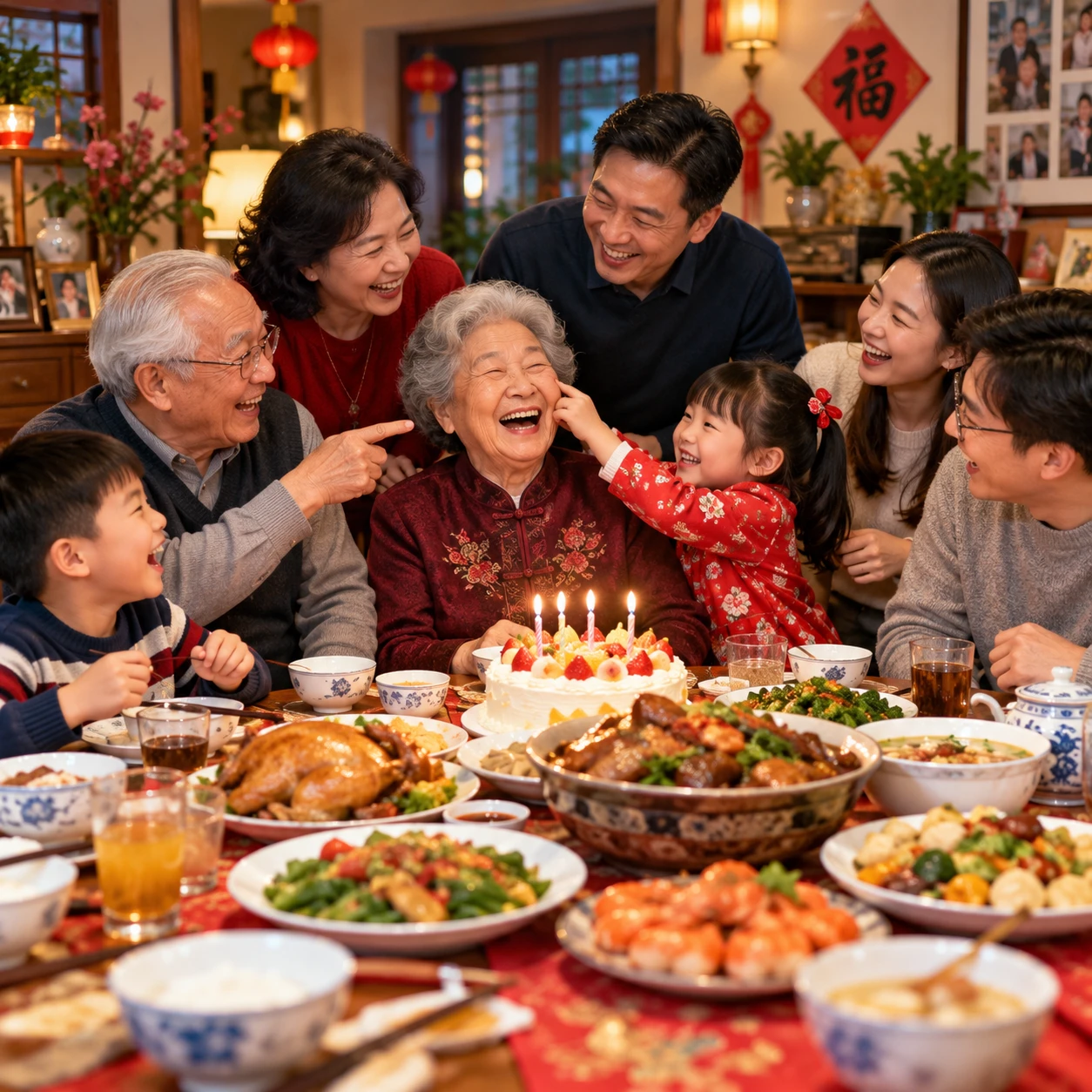
In family comedies, a celebration rarely goes exactly to plan. A familiar ritual gives everyone a script to follow, but family members arrive with different expectations, old grievances, and ideas about what the occasion should mean. That gap between the ideal event and the real one is fertile ground for humor.
From holidays to milestone ceremonies, family rituals make private relationships visible. They can bring relatives together, stir up conflict, and reveal what a family values. Keeping Up with the Steins puts that dynamic at the center of its comedy, using a Bar and Bat Mitzvah celebration to explore family expectations, cultural traditions, and the pressure to make a meaningful day look perfect.
Why Family Rituals Make Natural Comedy
Family rituals make natural comedy because they come with shared expectations that characters can resist, misunderstand, or take too far. The humor grows from watching a familiar custom meet the very human people expected to perform it.
A ritual has a basic pattern: people know what is supposed to happen and when. Someone gives a toast, a child takes part in a ceremony, or relatives gather for an annual meal. That predictability gives a comedy a useful setup. A character can follow the script too literally, challenge it at the wrong moment, or turn a small detail into a matter of principle.
The custom itself does not need to be strange. Often, the comic mismatch is between the event’s expectations and a family member’s private priorities. A parent may want a polished occasion, while a child wants to be left alone. A relative may insist on an old routine even as everyone else has moved on. The joke comes from recognition: many families know how quickly a simple plan can become a debate about who is doing things “the right way.”
That makes ritual a strong storytelling tool, but it can also be mishandled. A comedy that treats a cultural or religious practice as inherently silly risks flattening its meaning. More nuanced stories direct the humor at vanity, competition, or inflexible behavior around the ritual, while allowing the tradition itself to matter to the characters.
Celebrations as Pressure Cookers
Celebrations drive family-comedy plots because they bring relatives, unresolved tensions, and competing priorities into one shared event. With a date on the calendar and guests in the room, small disagreements have a reason to escalate.
Ordinary family friction can remain unspoken for weeks. A wedding, holiday dinner, reunion, or milestone ceremony changes the conditions: people must coordinate, make decisions, and appear united in public. Who is invited? Who gets to plan? How much should the family spend? These practical questions often carry emotional weight. They can stand in for deeper concerns about recognition, control, money, or belonging.
Celebrations also compress a story. Preparation creates deadlines; the event supplies a public stage; the aftermath gives characters a chance to reconsider what happened. A relative who arrives late or a plan that falls apart can become comic business, but the more revealing moment may be the argument over why the detail mattered so much.
The gathering does not always reconcile everyone. Sometimes the comedy comes from relatives getting through the day without resolving a long-running dispute. That is part of the form’s appeal: a shared celebration can restore closeness, expose distance, or do both at once.
Tradition Across Generations
Generational differences create comedy when parents, children, and older relatives attach different meanings to the same family tradition. One person sees continuity; another sees obligation; someone else may simply want the day to be over.
Older family members may value the ritual because it connects them to memories, community, or a familiar way of marking change. Parents often feel responsible for preserving that connection while managing the event’s practical demands. Children, meanwhile, may experience adult expectations as a performance they did not choose. None of those responses has to be the “correct” one for the conflict to feel real.
Comedy can make those differences visible without turning them into a simple battle between old and young. A child’s resistance might be funny and understandable; a parent’s insistence might be overbearing but rooted in care. Affection can show through even when family members are impatient with one another.
Generational friction works best when each person has a reason. If older relatives exist only to be out of touch, or children only to be rebellious, the joke becomes predictable. When characters have distinct memories and stakes, their disagreements can shift into conversation rather than ending in a winner and a loser.
Keeping Up with the Steins: A Celebration with Stakes
Keeping Up with the Steins uses Bar and Bat Mitzvah preparations to show how a milestone celebration can expose family values and anxieties. The event gives the comedy a clear focus while revealing how different relatives understand success, tradition, and responsibility.
A Bar or Bat Mitzvah marks an important milestone in Jewish life, and the film places its family comedy around the preparations and expectations attached to that occasion. The planning becomes a way to see what adults hope the celebration will communicate. A meaningful rite of passage can sit alongside concerns about presentation, status, and keeping up with other families. Those pressures make the situation funny because the adults may lose sight of the person the event is meant to honor.
The film’s comic conflict comes from family members bringing competing ideas to one shared occasion. Their choices reveal more than taste: they expose the need for approval, differing attitudes toward tradition, and the difficulty of agreeing on what a successful family celebration should look like. The milestone matters, but so do the relationships caught up in preparing for it.
This approach lets Keeping Up with the Steins connect cultural tradition with familiar family behavior without reducing the ceremony to a joke. The comedy can question excess and performance while recognizing the event’s significance. That balance is key: the laughter lands most clearly when the audience understands both why the characters are acting absurdly and why the occasion matters to them.
Humor, Affection, and the Meaning of Belonging
Family comedy can make fun of rituals while affirming the connections those rituals help families maintain. Shared jokes, familiar routines, and even recurring arguments can give relatives a language for recognizing one another.
Teasing often works as a sign of closeness, but it has limits. If a joke targets someone’s identity or treats a meaningful tradition with contempt, the humor can push the audience away from the characters. Stronger family comedies keep the target specific: a parent’s need for control, a relative’s competitive streak, or everyone’s belief that the celebration must be flawless.
Rituals also offer a way to show belonging without requiring every family member to agree. A teenager may dislike the formalities and still care about the people gathered there. An older relative may object to changes while wanting the next generation included. The occasion can hold those mixed feelings together, at least for a day.
That is why the emotional turn after the comic chaos matters. It need not be a perfect reconciliation. Sometimes a small gesture, a shared laugh, or a willingness to participate is enough to suggest that the family remains connected, even when its members define tradition differently.
What Family Comedies Reveal About Tradition
Family comedies reveal that traditions can change over time while still giving families a sense of continuity. The custom may evolve, but the act of gathering can remain meaningful to people with different needs and beliefs.
A ritual is not automatically healthy or harmful. It can offer structure, memory, and a way to mark important transitions. It can also become a source of pressure when relatives treat one version of the event as the only acceptable one. Comedy helps audiences see both sides by placing ideal expectations beside imperfect people.
In stories like Keeping Up with the Steins, celebrations bring comic conflict into the open: family members want the occasion to represent something, but they do not always agree on what. That tension gives the humor emotional substance. The event’s success may matter less than whether relatives can recognize one another beneath the planning, pride, and noise.
For viewers, that is the lasting pleasure of family-comedy rituals. The details may belong to one family or cultural tradition, but the struggle to balance belonging with personal choice feels widely recognizable. A celebration can be awkward, overplanned, and funny, and still give a family a reason to come together.